
Understanding the Concept of Luck
Luck is a fundamental element in the realm of casinos, often regarded as a mysterious force that significantly shapes the outcomes of various games. It stands in stark contrast to skill-based games, where a player’s expertise and strategic decisions hold considerable weight. Luck, however, encapsulates the essence of chance, particularly evident in games like slot machines and roulette, where the results hinge solely on random outcomes. Many players search for the best online pokies to experience this unpredictability, which not only enhances the thrill of gambling but also ensures that every gaming experience is unique, keeping players returning for more.
In the casino environment, luck can dramatically alter a player’s fortunes, turning a moderate wager into a life-changing jackpot or leaving someone empty-handed after a series of bets. For instance, a player may walk up to a slot machine and, purely by chance, hit the jackpot, while another player may meticulously calculate their bets in a card game without any success. This element of surprise is what captivates players, igniting their hopes and dreams of a fortunate turn of events. The anticipation surrounding luck creates an electric atmosphere where even the most cautious gamblers might find themselves taking unexpected risks.
Moreover, the psychological aspects of luck in gambling cannot be overlooked. Many players attribute their experiences—good or bad—to external forces beyond their control. This belief often leads to superstitious behaviors, such as carrying lucky charms or engaging in specific rituals before playing. As a result, luck becomes not only a key factor in determining outcomes but also a psychological component that influences decisions and emotional reactions. Understanding this relationship between luck and human behavior adds depth to the gambling experience, highlighting how crucial it is in the world of casinos.
The Role of Luck in Different Casino Games
Luck manifests differently across various casino games, shaping the experiences of players in unique ways. In table games like blackjack and poker, the interplay between skill and luck is evident. While experienced players can employ strategies to improve their odds, they remain at the mercy of luck, as the cards they receive and the actions of their opponents can dramatically alter the results. This combination of skill and chance creates a compelling dynamic, drawing players who relish the challenge of navigating uncertainty while applying their expertise.
In contrast, games such as slots and bingo exemplify the pure essence of luck, with little to no strategic input required from players. Slot machines utilize random number generators to determine outcomes, meaning that players have no control over the results. This reliance on chance fosters a carefree atmosphere, attracting casual gamblers who are primarily seeking entertainment rather than high-stakes competition. The thrill of potentially hitting a significant payout offers an exhilarating escape, making these games immensely popular among a diverse audience.
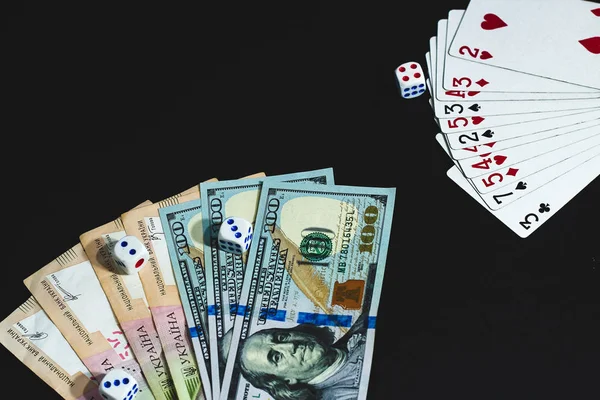
Additionally, the immersive environment of casinos enhances the sensation of luck. The vibrant lights, engaging sounds, and festive atmosphere contribute to the overall experience of chance-driven gameplay. Whether players are rolling dice, spinning wheels, or pulling levers, the sensory stimulation reinforces their connection to luck. As players immerse themselves in this lively setting, they become part of a larger community, sharing the highs and lows of luck in gambling, which further enriches their experience.
Luck and Player Behavior
The impact of luck extends beyond the mechanics of the games themselves; it profoundly influences player behavior and social interactions within the casino. Gamblers often exhibit distinct patterns based on their beliefs surrounding luck. For instance, a player on a winning streak may feel emboldened, leading to increased bets and risk-taking, while someone experiencing a losing streak might alter their strategy or switch games in search of a lucky turnaround. This interplay between luck and behavior underscores how integral luck is to the gambling experience.
Moreover, players frequently share stories of their fortunate experiences, fostering camaraderie among fellow gamblers. These narratives about unexpected wins or remarkable outcomes not only serve to create a sense of community but also inspire hope among others. In sharing these tales, players reinforce their belief in luck and its potential to change fortunes, promoting a culture of optimism and excitement. This communal aspect of gambling highlights how luck transcends individual experiences, cultivating shared moments that enhance the overall enjoyment of casino gaming.
Recognizing the role of luck can also lead to healthier gambling practices. By understanding that luck is a significant factor in determining outcomes, players can develop more realistic expectations. This awareness can help mitigate the dangers of chasing losses or adopting harmful betting behaviors. In essence, acknowledging the randomness of luck empowers individuals to enjoy the thrill of gambling while maintaining a balanced perspective, ultimately enriching their overall casino experience.
The Mathematics Behind Luck in Casinos
Beneath the allure of luck lies a mathematical foundation that governs the operations of casinos. Concepts such as probability and odds are crucial in understanding the role of luck in gambling. Each game is designed with a specific house edge, which signifies the statistical advantage that the casino holds over players. For example, in games like roulette, the presence of zeroes ensures that not all bets will yield equal payouts over time, illustrating how luck operates within a defined mathematical framework.
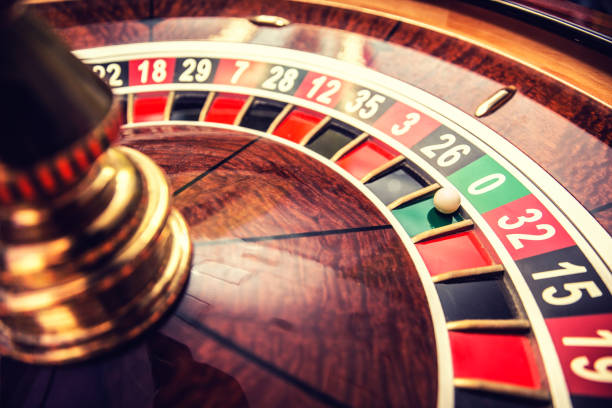
Despite the inherent house edge, luck can occasionally lead to extraordinary outcomes for players. While the odds may be stacked against them, there remains a possibility—however slim—that a player can achieve a momentous victory purely by chance. This element of unpredictability is what keeps players returning to the gaming floor, chasing that elusive moment where luck can defy the odds and lead to remarkable wins. The emotional highs and lows associated with such moments are what make the gambling experience so engaging and memorable.
Additionally, mathematics plays a vital role in the design of casino games, influencing everything from the return-to-player (RTP) percentages of slot machines to the payout structures of table games. Game developers meticulously balance elements of chance and probability to create experiences that satisfy players’ desires for both luck and skill. As technology continues to advance, the integration of sophisticated algorithms and gaming mechanics will shape the future of casinos, ensuring that the experience of luck remains a captivating aspect of gambling.
Exploring More About Luck and Casinos
Delving into the complexities of luck in the casino world provides a rich understanding of gambling as a multifaceted form of entertainment. Players are not solely focused on winning; they are also drawn to the excitement and unpredictability that luck brings to their gaming experiences. Through games of chance, they explore the limits of probability, reveling in the unexpected outcomes that accompany each roll of the dice or spin of a wheel. Thus, luck becomes an essential narrative that drives the ongoing fascination with the casino experience.
Moreover, the cultural interpretations of luck add another layer of depth to the gambling landscape. Different cultures have varied beliefs about fortune and luck, influencing how individuals approach gambling. This cultural diversity enriches the casino environment, creating a vibrant tapestry of attitudes and practices that enhances the overall gaming experience. Such a melting pot of beliefs allows players to engage with luck on multiple levels, broadening their understanding and appreciation of the gambling world.
As players continue to embrace the vital role of luck in casinos, the industry will adapt to these evolving dynamics. Whether through innovative technologies or novel game formats, the enduring relationship between luck and gambling will persist, inviting players to explore the whims of fate while enjoying the thrill of chance. Ultimately, this interplay ensures that the world of casinos remains an exciting and ever-evolving destination for thrill-seekers and casual players alike.