
The evolution of gambling A journey through history's games and bets
Ancient Beginnings of Gambling
The roots of gambling can be traced back to ancient civilizations, where games of chance and skill emerged as a form of entertainment and social interaction. Archaeological findings indicate that ancient Chinese and Mesopotamian cultures engaged in activities resembling modern-day gambling. The Chinese played a version of dice games around 2,300 BCE, while the Mesopotamians created betting games involving the use of animal bones and stones. These activities were not merely for amusement; they often held social and religious significance, serving as a means to engage with fate and fortune. Today, platforms like Picklebet continue this tradition, blending various forms of gaming including esports and casino experiences.
As societies evolved, so too did the complexity of gambling games. The Greeks and Romans elevated gambling to new heights, with games like dice and betting on athletic contests, particularly the Olympic Games. These practices laid the groundwork for the development of structured gambling activities, reflecting the culture’s fascination with chance and skill. The Romans, in particular, integrated gambling into daily life, with widespread betting on gladiatorial games and chariot races, showcasing the deep societal connections between sport and wagering.
The evolution of gambling during these ancient times illustrates a fundamental human desire for risk and reward. While luck played a significant role, the advent of strategy in games like dice and board games introduced an element of skill, foreshadowing the complexities that would define gambling in later eras. This early blend of luck and skill set the stage for the diverse gambling landscape that would emerge in subsequent centuries.
Medieval and Renaissance Gaming
The Middle Ages brought a shift in gambling practices, with the emergence of card games that would significantly influence the future of gambling. Originating in Asia, playing cards made their way to Europe, where they quickly gained popularity among the nobility. Games like Poker and Rummy showcased elements of strategy and skill, distinguishing them from purely chance-based games. These card games not only transformed gambling but also influenced social interactions, becoming a fashionable pastime for various classes.
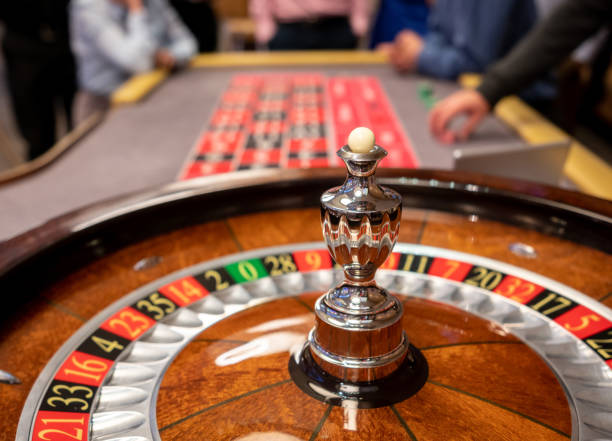
During the Renaissance, the gambling landscape expanded further with the establishment of formal gaming houses and the introduction of new games such as Roulette and Baccarat. These games were characterized by their elaborate rules and the combination of skill and chance, appealing to both casual players and serious gamblers. The flourishing of gambling during this period also led to the establishment of regulations, as governments sought to control and profit from the burgeoning gambling activities in their jurisdictions.
This era represented a pivotal moment in the evolution of gambling, as the integration of skill in card games began to reshape perceptions of gambling as a mere vice. As gambling became intertwined with the social fabric of Europe, it laid the groundwork for the more organized gambling institutions that would follow, ultimately leading to the establishment of casinos and betting houses in the modern era.
The Rise of Modern Casinos
The 19th century marked a significant transformation in the gambling industry with the rise of modern casinos. The first official casino, the Casino di Venezia, opened in Italy in 1638, setting a precedent for a new type of entertainment venue. However, it was during the 1800s that casinos began to proliferate across Europe and the United States, offering a variety of games from roulette to blackjack, attracting a diverse clientele eager to indulge in both luck and skill.
The emergence of these establishments coincided with the popularization of gambling as a leisure activity, reflecting societal changes in attitudes towards risk and fortune. The proliferation of casinos also prompted advancements in game design and technology, with the introduction of electric devices and the rise of slot machines. These innovations appealed to a broader audience, allowing for a blend of chance-based games that required little to no skill, and thus democratizing the gambling experience.
As modern casinos evolved, they became more than just gambling venues; they transformed into comprehensive entertainment complexes. With restaurants, shows, and luxurious accommodations, casinos now catered to a wider range of desires, drawing in tourists and locals alike. This shift not only expanded the gambling market but also blurred the lines between gambling, entertainment, and hospitality, creating a unique cultural phenomenon that continues to thrive today.
The Digital Revolution in Gambling
The late 20th and early 21st centuries witnessed a revolutionary shift in gambling through the rise of the internet. Online gambling platforms began to emerge, offering players a convenient way to engage with their favorite games from the comfort of their homes. This shift was propelled by technological advancements and changing consumer behaviors, leading to the development of virtual casinos that allowed for instant access to a wide range of gambling options.
The digital age not only made gambling more accessible but also diversified the types of games available. Players can now engage in sports betting, live dealer games, and even esports betting, appealing to different interests and preferences. Online platforms prioritize user experience, incorporating interactive features and personalized promotions that enhance engagement, leading to a more immersive gambling experience.
Additionally, the rise of mobile gaming has further transformed the landscape, enabling players to gamble on-the-go via smartphones and tablets. This convenience has reshaped how gambling is perceived, transitioning from a traditional activity to a dynamic, tech-driven experience. As the digital gambling sector continues to evolve, issues such as responsible gambling and user safety have gained prominence, prompting operators to implement measures that protect consumers in an increasingly complex environment.

Exploring Picklebet: A Modern Gambling Experience
Picklebet Australia stands out in the modern gambling landscape by offering a unique blend of esports, sports betting, and casino experiences tailored to Australian punters. With over 2,600 games available, users are provided with a diverse selection that caters to various tastes, from classic casino games to contemporary esports betting. The platform’s emphasis on user safety and responsible gambling reflects a commitment to creating a secure environment for players, ensuring they can enjoy their experience without compromising their well-being.
The website’s mobile-first design enhances accessibility, allowing users to engage with their favorite games and bets anytime, anywhere. This focus on convenience aligns with the growing trend of mobile gaming, ensuring that players can participate in live betting or spin the reels of their favorite slots while on the go. Picklebet not only meets the demands of modern gamblers but also embraces the spirit of innovation that characterizes the current gambling era.
Furthermore, new users can kick off their journey with enticing welcome bonuses, while personalized promotions keep the experience fresh and engaging. As the evolution of gambling continues, platforms like Picklebet exemplify the integration of technology and user experience, setting a benchmark for the future of gaming. By providing an extensive range of options and prioritizing player engagement, Picklebet reinforces the idea that gambling is not just about luck, but also about skill and strategy, reflecting a dynamic industry in constant evolution.